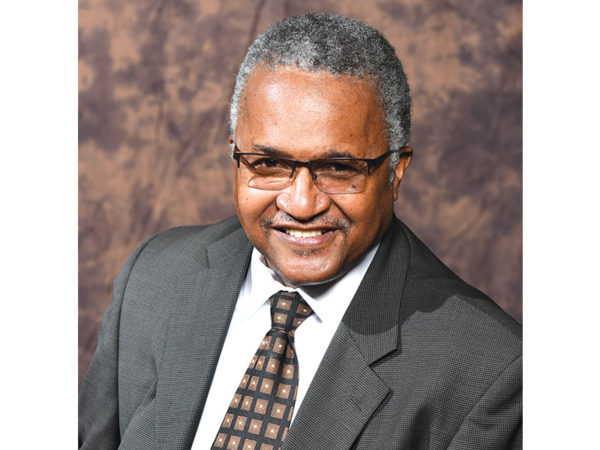
On the surface, Mayor Friday Ellis projects the image of a progressive leader. He speaks the language of economic growth and, to his credit, has advanced major development initiatives.
However, a troubling paradox defines his administration: this progress stalls abruptly whenever the beneficiaries are Monroe’s African-American residents.
Despite a majority African-American City Council that has given the mayor near-unanimous support on his broader agenda, Mayor Ellis draws a hard line at tangible Black economic advancement.
The council’s cooperation has been met not with reciprocity, but with strategic roadblocks.
Consider the obstacles facing housing equity. When a Maryland company proposed a subdivision in a Black neighborhood—planning 80 or more $300,000 homes—the administration opposed annexation, citing a refusal to use city funds for streets and drainage.
Yet, even when city funds are off the table, resistance persists. When a Black developer secured an I-20 board contract for a similar subdivision, the administration pulled out all the stops to halt it, despite costing the city nothing.
The most glaring example lies in the Monroe Fire Department. When the council requested the mayor consider a Black candidate of his choice for Fire Chief, he flatly refused, claiming none were “fit”—despite multiple Black applicants possessing superior experience and training. The administration even lobbied to alter state law to bypass qualified Black leadership.
To avoid getting a black fire chief, the city has operated for two years without a permanent fire chief.
These fights are expensive and time-consuming as the city council hires attorneys and pays fees of $500 an hour or more to fight the mayor’s opposition to black initiatives.
In place of equity, the mayor offers symbolism: carefully orchestrated events featuring a token Black minister, poet, and choir. But harmony on a stage cannot mask a lack of equity in the power structure. We are not blind, and we certainly are not fooled by symbols over substance.
For two years, the majority-Black council has held the legislative power to halt the mayor’s initiatives, yet they chose cooperation over gridlock.
That patience is not infinite.
If the mayor continues to veto ordinances and fight Black economic development, a standoff is inevitable.
True progressivism isn’t measured by symbolic gestures; it is measured by equity.
It’s becoming increasingly obvious to many in the African-American community that the Friday Ellis we see today is not the same one who was first elected six years ago.
The reality is that the mayor governs a city that is 65% African-American.
The majority is increasingly becoming restless.